The clip guide

Horse Clip Types & Prices

Not sure which clip your horse needs? This page explains what each clip removes, which horses it suits, and what to think about afterwards. If you are still unsure, send a photo, a note about your horse's work and turnout, and your yard postcode — we will suggest the right clip.

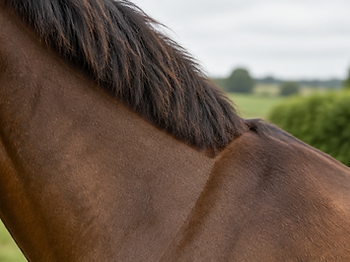
Fresh clip lines on a horse's neck and shoulder

Choosing

Which clip does your horse need?

Workload comes first, then how much time your horse spends out and which rugs you already have. A horse that sweats heavily in work and dries slowly will be far more comfortable clipped; a retired pony living out may need nothing at all.

The safest approach is to start smaller. You can always take a little more off in three or four weeks, but you cannot put it back — and a horse that is over-clipped too early in the season can be miserable without a wardrobe of rugs.

If your horse is in light work and lives out, a bib, Irish or low trace clip usually suits. Horses in regular work that are still turned out tend to do well with a trace, blanket or chaser clip. Horses in hard work — hunting, eventing, fast work through the winter — are usually clipped out far more fully.

Hair removedHair left on
Dark areas show the hair removed in a bib clip. Diagram is illustrative.

Bib clip

Hair taken from the front of the neck and chest, sometimes continuing under the belly to the girth.

What it takes off
The hair on the front of the neck and across the chest, and sometimes a strip along the belly to the girth.
Which horses it suits
Horses and ponies in light work that live out, natives that only sweat a little, and horses having a first clip.
Workload
Light work — up to about three hours a week, mostly hacking.
Rugging and turnout
Many bib-clipped horses carry on with little or no extra rugging, though it depends on the horse, the weather and how much hair has come off.
Worth discussing before booking
How much work your horse is doing now, and how much you expect them to do through the winter. It is far easier to take a little more off next time than to put it back.
Dark areas show the hair removed in a irish clip. Diagram is illustrative.

Irish clip

Removes hair from the neck and behind the elbows, where horses sweat most.

What it takes off
The hair on the neck, across the chest and behind the elbows, often carried along the belly in front of the girth.
Which horses it suits
Youngsters, first-timers and horses in light to moderate work that still spend most of their time turned out.
Workload
Light to moderate — regular hacking, a little schooling, sweats when ridden.
Rugging and turnout
Usually a light rug is enough. Horses living out unclipped elsewhere on the body often manage with a standard turnout rug in wet weather.
Worth discussing before booking
Whether your horse wears a neck cover, and how much of the day they spend out — it decides how far along the neck to go.
Dark areas show the hair removed in a trace clip. Diagram is illustrative.

Trace clip

Hair taken from the underside of the neck and belly, up to the tops of the hind legs — the height depends on how hard your horse works.

What it takes off
The underside of the neck and the belly, following the line the traces of a carriage harness would take. A low trace takes off the least; medium and high go further up the flank.
Which horses it suits
Horses in regular work that are still turned out every day — the most common clip for a busy happy hacker.
Workload
Regular work, three to five rides a week, with daily turnout.
Rugging and turnout
Almost always wants a rug, at least a medium turnout, because the belly and the underside of the neck are exposed.
Worth discussing before booking
How far up the flank you want to go, and whether you would rather start with a low trace and take more off in a few weeks.
Dark areas show the hair removed in a blanket clip. Diagram is illustrative.

Blanket clip

Hair removed from the neck, shoulders, belly and flanks, leaving a blanket-shaped area over the back and loins plus hair on the legs.

What it takes off
The neck, shoulders, chest, belly and flanks. A blanket-shaped patch of hair stays over the back and loins, and the legs are left as they are.
Which horses it suits
Horses in moderate work that are turned out regularly, and owners who would rather not use a neck cover every day.
Workload
Moderate — four or five sessions a week, some jumping or fast work.
Rugging and turnout
Needs proper rugging: usually a medium or heavyweight turnout, with an exercise sheet for riding in cold weather.
Worth discussing before booking
The shape and size of the blanket patch — a bigger patch leaves more protection, a smaller one is easier to keep clean.
Dark areas show the hair removed in a chaser clip. Diagram is illustrative.

Chaser clip

Like a blanket clip, but the hair along the top of the neck stays on — handy for horses that do not wear a neck cover.

What it takes off
The neck below the crest, shoulders, chest, belly and flanks, leaving hair over the back and loins and along the top of the neck.
Which horses it suits
Horses in moderate work, particularly those living out in rugs without neck covers, or horses with sensitive skin along the crest.
Workload
Moderate — regular work through the winter with daily turnout.
Rugging and turnout
Usually a medium turnout will do. The hair left along the neck gives a little extra protection in driving rain.
Worth discussing before booking
Whether your horse wears a neck cover — if they do, there is less reason to leave the crest on.
Dark areas show the hair removed in a hunter clip. Diagram is illustrative.

Hunter clip

Hair removed from the body, neck and head, leaving the legs and a saddle-shaped patch over the back.

What it takes off
The body, neck and most of the head. Hair stays on the legs and in a saddle-shaped patch where the saddle sits.
Which horses it suits
Horses in hard, regular work — hunting, eventing, team chasing, or a full competition and fast-work schedule.
Workload
Hard — fast work, jumping or competition several times a week.
Rugging and turnout
Hunter-clipped horses need good rugging, often a heavyweight turnout plus a stable rug, and an exercise sheet for every ride.
Worth discussing before booking
The size of the saddle patch, and how you will manage the legs — they will need watching in wet, muddy weather.
Dark areas show the hair removed in a full clip. Diagram is illustrative.

Full clip

All the hair comes off, including the legs, head and ears — the clip for a horse in very hard work.

What it takes off
Everything: body, neck, head, ears and legs. Nothing is left on.
Which horses it suits
Horses in very hard work that are stabled for part of the day, and horses whose coat is a genuine welfare issue on veterinary advice.
Workload
Very hard — competition, hunting or fast work most days.
Rugging and turnout
Full rugging, including a neck cover, plus exercise sheets. Clipped legs need watching for mud fever and rain scald in wet weather.
Worth discussing before booking
Stabling, rugging and how the legs will be kept clean. A full clip is a commitment for the whole winter, not just for one week.

Prices

Prices confirmed when you enquire

Tell us the clip you are after, roughly what size your horse or pony is, and your yard postcode, and we will come back with a clear price before anything is booked.

Clipping charges can vary with the size of the horse, the condition of the coat and how settled the horse is on the day, so we would rather give you a proper figure than a vague starting price that turns out to be wrong.

What every visit includes

  • An unhurried clip, with time taken over young or worried horses.
  • Sharp blades, cleaned and disinfected between horses.
  • Loose hair brushed off before we leave.
  • Straightforward advice on rugging and aftercare.

Extra services such as legs only, faces, mane tidying or stencils will be listed here once confirmed.

Enquiries

Request a quote

Tell us a little about your horse, which clip you're after and where your yard is. We'll use those details to look into your enquiry.

So we can check that your yard is covered.

Your details go only to us and are used to reply to your enquiry. See the privacy notice.